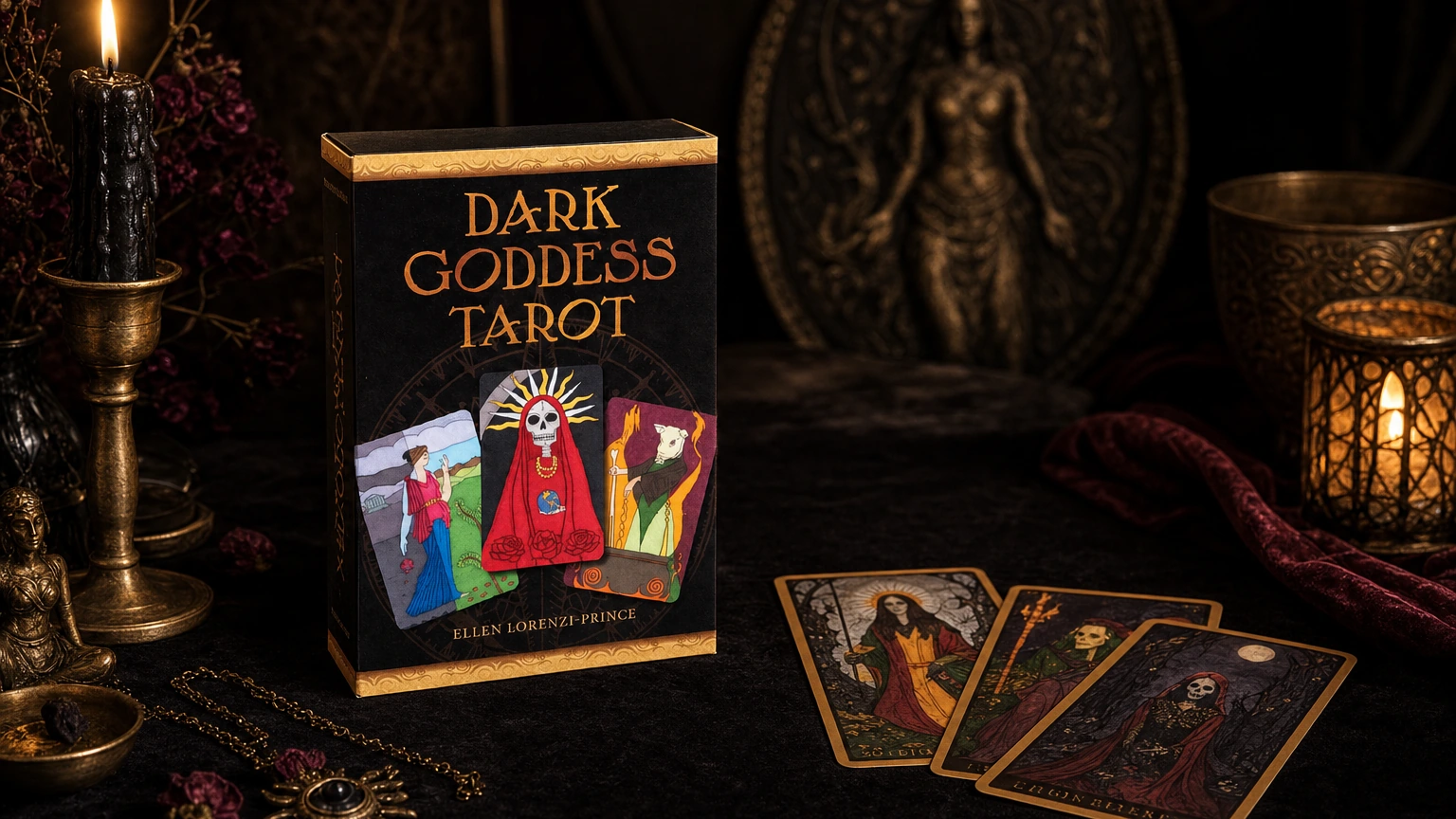
Dark Goddess Tarot is a shadow-work tarot by Ellen Lorenzi-Prince, published by Schiffer. It keeps the familiar tarot structure, but each card is carried by a goddess, spirit, or mythic feminine archetype from world traditions. This is not a sweet “love and light only” deck. It is made for the parts of life that ask for honesty: grief, rage, endings, desire, boundaries, power, silence, and the deep self-trust that grows after hard truth.
My short answer: this deck is best for readers who want tarot to feel ancient, witchy, mythic, and emotionally brave. The art is simple compared with glossy fantasy decks, but the mood is strong. It feels like sitting at a dark altar with a candle, asking the cards what you already know but have been afraid to name.
Dark Goddess Tarot Card Gallery
Tap any card to open a larger carousel view.
A note from Aurica
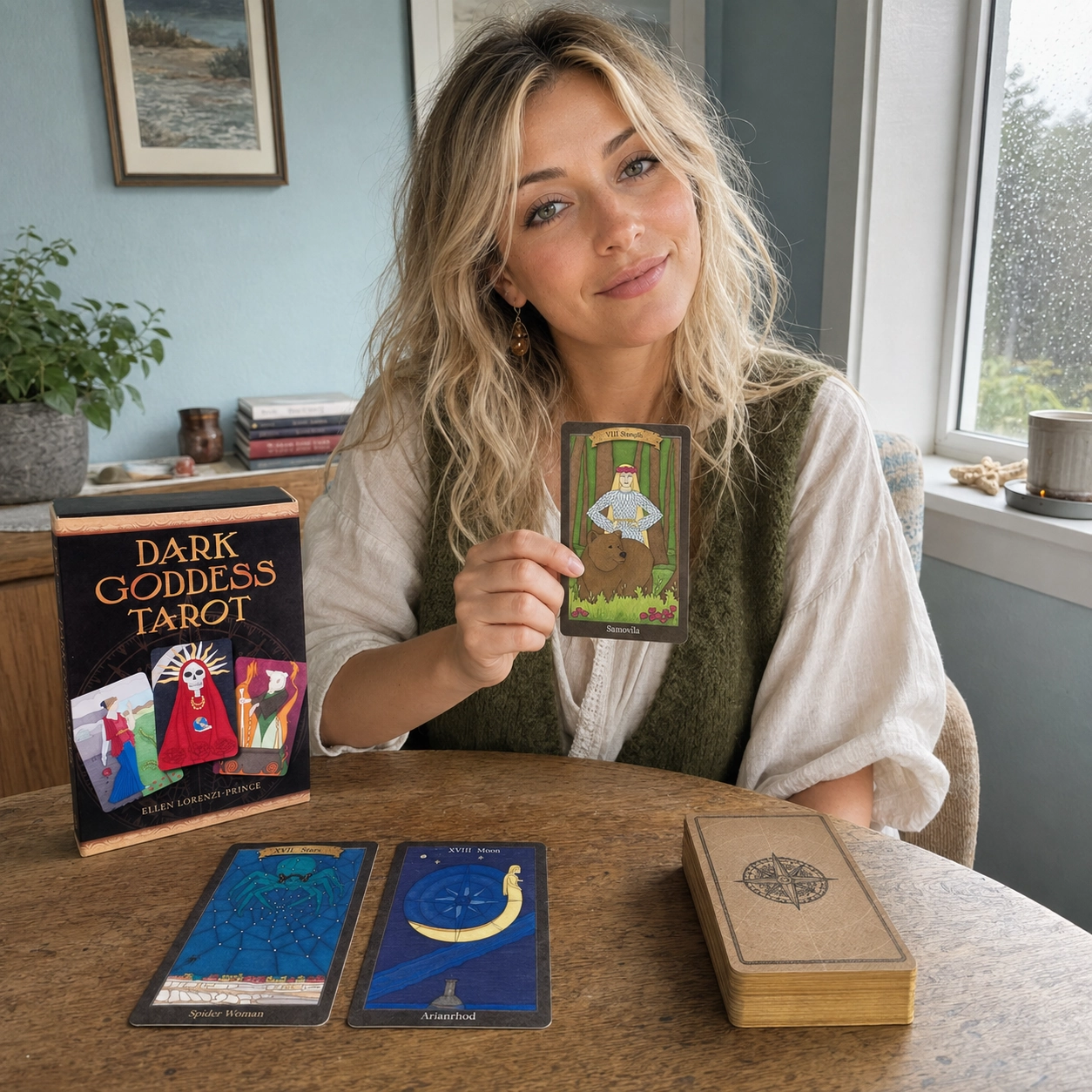
Dark Goddess Tarot feels like entering a candle-dark temple and finding the walls alive with old stories. These images do not soften rage, grief, desire, or change into something merely pretty. I love that honesty. Strength, with Samovila standing calmly behind her bear, reminds me that real power can be rooted and watchful rather than loud.
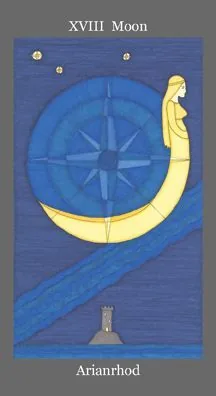
When I read with this deck, I first notice which goddess seems to meet my gaze and which one turns away. Then I return to the card’s familiar tarot role and let the surrounding cards show me where its story belongs. Spider Woman in Stars can make hope feel like patient weaving, while Arianrhod in Moon asks whether uncertainty is hiding a fear or protecting a truth that is not ready to speak.
This is a deck I would reach for when a question has sharp edges: a boundary that keeps being crossed, a change I am resisting, or a feeling I have tried to make smaller. Its elemental suits keep the reading practical. After listening to the mythic voice, I ask for one earthly action—a conversation, a pause, a refusal, or a brave beginning—so the insight does not remain trapped in symbolism.
The darker cards here never feel like a closed door to me. They feel like a hand holding a lantern near the part of the path I would rather avoid, then waiting without judgment while I choose my next step. Dark Goddess Tarot reminds you that meeting your shadow with tenderness is already an act of courage, and every honest step can carry you toward your own steady light.
What The Dark Goddess Tarot Feels Like
The first thing I notice is the deck’s seriousness. The images do not beg to be pretty. They feel iconic, like small devotional paintings or ritual masks. Because every card is tied to a goddess story, the reading style becomes less about memorizing symbols and more about asking, “What force is speaking through this moment?”
That makes the deck especially good for inner work. It can be tender, but it is rarely fluffy. It is the kind of tarot I would choose for a new moon reading, a grief spread, a boundary check, or a question about reclaiming voice after being quiet too long. The available TarotFans gallery currently shows card images, so I am keeping that count honest while still reviewing the deck as a complete published tarot system.
Deck-specific card study
Death feels like an underworld teacher, not a threat
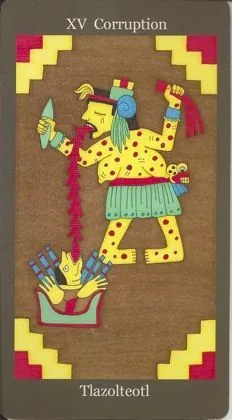
Death is one of the clearest cards for understanding this deck. In many tarot decks, Death can feel scary because the image is dramatic. Here, the card feels more like a dark mother at the threshold, asking what must be released before the next life can begin.
In a reading, I would not rush to make this card gentle. The Dark Goddess Tarot allows grief to be real. But it also gives grief a sacred frame. Death can speak about endings, shedding an old role, accepting a truth, or letting a version of yourself rest without shame.
That is why I like pulling a few surrounding cards before judging the message. In this deck, one card often feels like a doorway, while the next cards show whether the doorway leads to release, protection, or renewal.
Four-card moment: entering the shadow
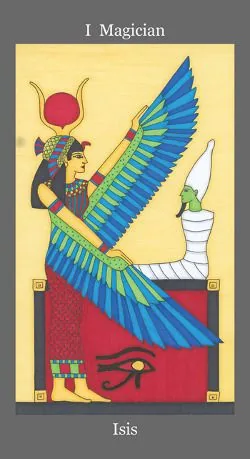
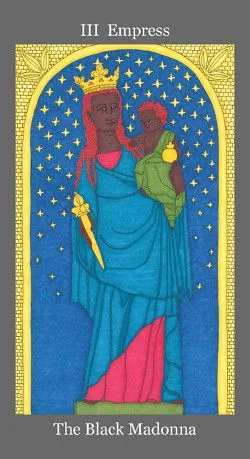
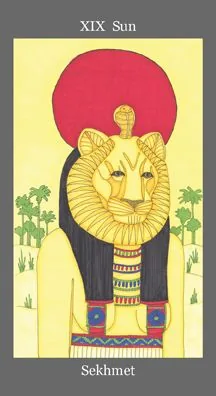
This small line reads like a whole initiation: step into the unknown, listen inward, let the old skin fall away, then look for the first honest light.
How It Reads in Practice
The Dark Goddess Tarot is readable if you already know the Rider-Waite-Smith pattern, because the major arcana and elemental suits are still recognizable. The suit language uses Fire, Water, Air, and Earth energy, which makes the deck feel elemental and ritual-friendly. The cards are not packed with everyday scenes, so beginners may need the guidebook more often than usual.
For experienced readers, that sparseness can be a gift. Instead of telling you every detail, the deck gives you a strong presence and asks you to meet it halfway. I like it for questions such as: Where is my anger wise? What boundary is sacred? What grief needs space? What power am I afraid to claim?
Deck-specific card study
The Tower makes disruption feel like sacred refusal
The Tower in this deck has the feeling of a power structure losing its spell. It is not only chaos. It is the moment when the soul says, “I cannot keep living inside something false.” That is very Dark Goddess energy: fierce, protective, and not interested in being polite for the sake of comfort.
When this card appears, I would ask what truth is breaking through. It can show a crisis, but it can also show liberation from a story, job, relationship pattern, or belief that was never built to hold your whole self.
Four-card moment: fire and boundaries
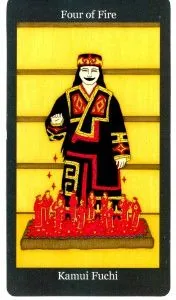
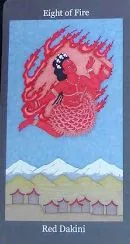
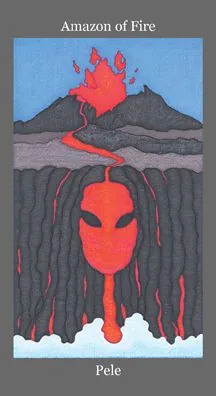
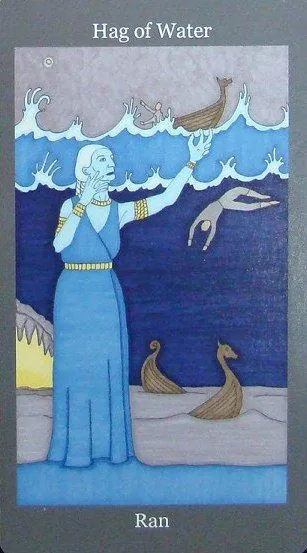
This group shows the deck’s relationship with anger and willpower. Fire is not “bad temper” here. It is life force, conflict, defense, and the moment when a burden gets too heavy to keep carrying silently.
Beginner Friendliness
I would call this a thoughtful beginner deck, not an easy beginner deck. If you want bright scenes that clearly show “this person is sad” or “this person is celebrating,” another deck may teach faster. But if you are a beginner who loves mythology, goddess stories, witchy study, and journaling, this deck can become a powerful teacher.
My advice is to start small. Pull one card and read the guidebook entry slowly. Write down three things: the tarot meaning, the goddess story, and the honest feeling the image brings up. With this deck, emotional truth matters as much as textbook meaning.
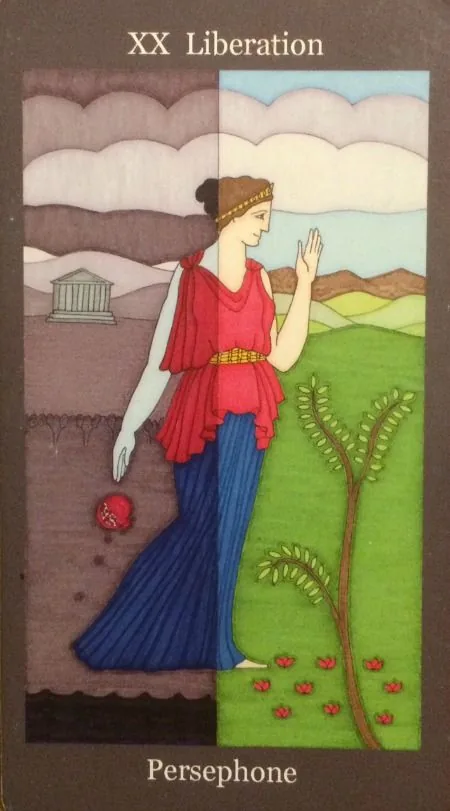
Deck-specific card study
The Moon turns intuition into a cave lantern
The Moon is naturally at home in this deck. Its message is not “everything is confusing, panic.” It is more like being led through a cave by a tiny light. You may not see the whole path, but your body knows the next step.
In readings, I would use this card for dreams, anxiety, hidden motives, ancestral patterns, or the moment when logic alone is not enough. The Dark Goddess Tarot makes The Moon feel protective as well as mysterious.
I especially like pairing The Moon with Water cards because it keeps intuition embodied. The question becomes less “What does my fear mean?” and more “What feeling needs a safer place to move?”
Four-card moment: water, grief, and healing
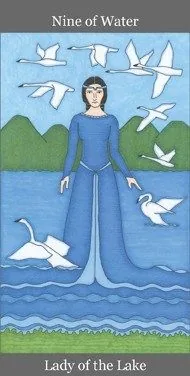
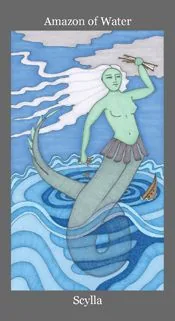
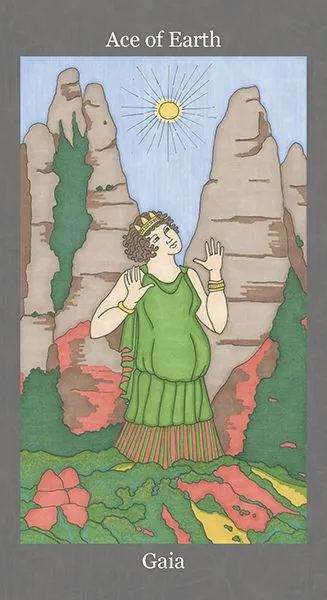
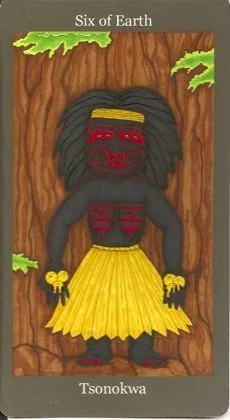
Water in this deck can feel like tears, memory, trance, and release. It is beautiful for emotional readings because it respects sadness without making sadness the end of the story.
What I Like Most
I love that the deck gives shadow work dignity. It does not treat anger as something to erase or grief as something to rush through. It says difficult feelings can carry wisdom when we stop pretending they are not there. That is a rare and useful tarot voice.
I also like the mythic range. The goddess-centered approach makes the cards feel bigger than personal mood. A reading can become a conversation with archetype: the mourner, the warrior, the witch, the mother, the destroyer, the protector, the prophet, the wild one.
Four-card moment: mind, truth, and release
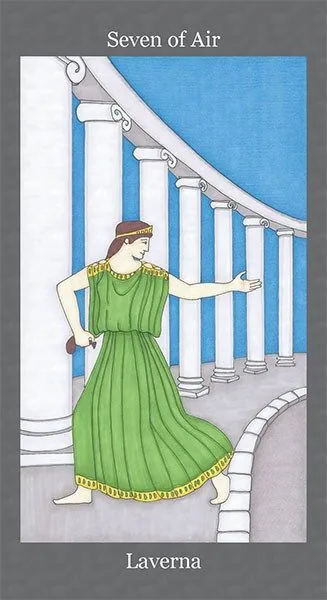
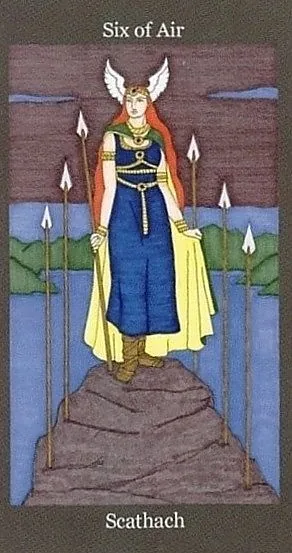
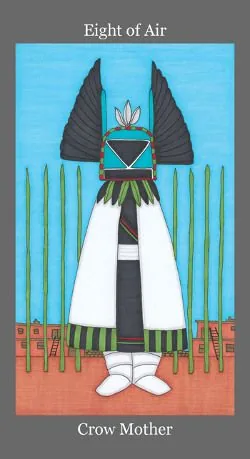
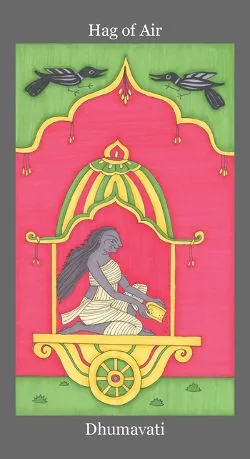
This Air sequence is sharp but healing. It asks where the mind has become a cage, where grief has become a story, and where a clean truth could finally cut a cord.
Who Will Love This Deck?
You may love the Dark Goddess Tarot if you enjoy goddess spirituality, mythology, underworld stories, feminist tarot, witchy shadow work, and readings that feel like ritual. It is a strong match for journaling, moon work, ancestor questions, grief processing, boundary spreads, and deep personal transformation.
You may not love it if you want cheerful colors, modern everyday scenes, or a very literal beginner deck. This deck is symbolic and inward. It wants time, respect, and a willingness to sit with uncomfortable truths.
Pros and Cons
| Pros | Cons |
|---|---|
|
|
Final Thoughts
Dark Goddess Tarot is a serious, soulful deck for readers who want tarot to walk into the cave with them. It is not trying to be cute, trendy, or easy. Its gift is honesty. It reminds me that the divine feminine is not only softness and beauty. It is also rage that protects, darkness that teaches, endings that cleanse, and intuition that survives.
If your tarot practice includes shadow work, myth, ritual, or deep self-inquiry, this deck is worth exploring. If you are buying mainly for light daily affirmations, choose something gentler. But if you want a deck that can hold hard questions without flinching, the Dark Goddess Tarot has a powerful voice.
Dark Goddess Tarot FAQ
Who created the Dark Goddess Tarot?
The Dark Goddess Tarot was created by Ellen Lorenzi-Prince and is published by Schiffer. The deck centers goddess, mythic feminine, and underworld archetypes, giving each tarot card a spiritual or mythological presence rather than a simple everyday scene.
How many Dark Goddess Tarot cards are visible in the TarotFans gallery?
The current TarotFans native gallery for this review shows 61 available card images. That is why this review avoids claiming that every card image is visible on this page, even though the published deck itself follows a full tarot structure.
Is the Dark Goddess Tarot beginner friendly?
It can work for thoughtful beginners, especially if you enjoy mythology and journaling. It is not the easiest first tarot deck because the images are archetypal and the goddess stories matter. New readers should use the guidebook and start with one-card or three-card spreads.
Does it read like a Rider-Waite-Smith tarot deck?
The structure is familiar enough for Rider-Waite-Smith readers to follow, with recognizable majors and elemental suit energy. The feeling is different, though. Instead of busy scenes, the deck leans into goddess symbolism, myth, and emotional atmosphere.
What readings is the Dark Goddess Tarot best for?
It shines in shadow-work readings, grief spreads, boundary questions, new moon rituals, ancestor work, empowerment readings, and questions about reclaiming voice or power. It is less ideal for quick, casual yes/no questions.
Does the guidebook matter for this deck?
Yes. Because the deck is built around goddess archetypes, the guidebook helps you understand the mythic layer behind each card. You can still read intuitively, but the book gives important context that makes the deck much richer.